
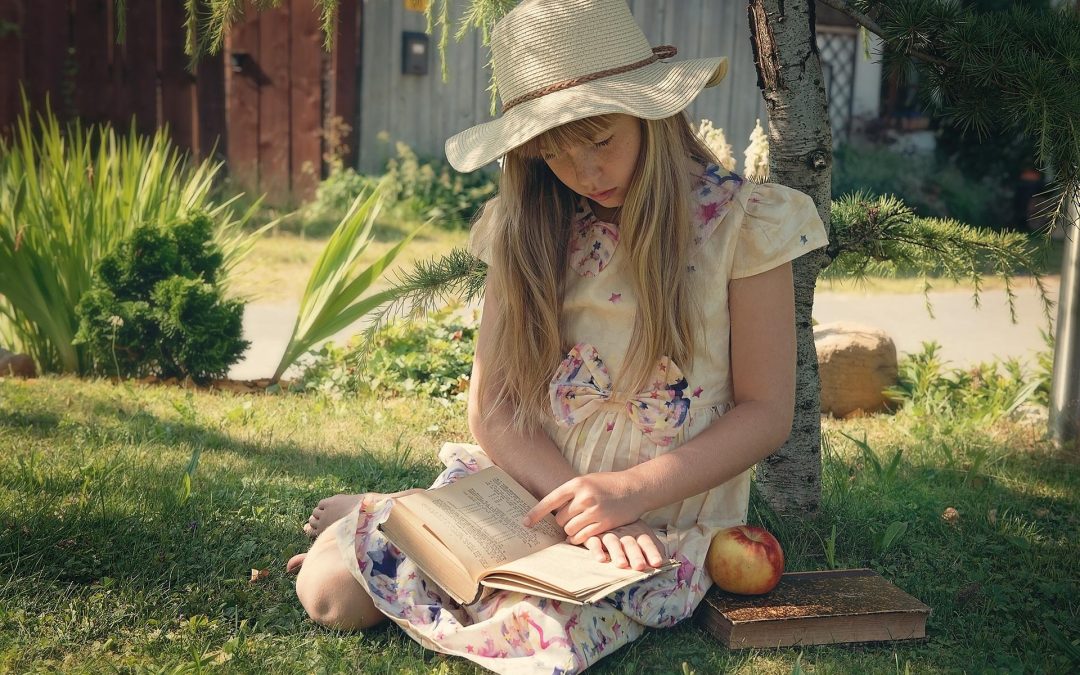
Interest in books often appears before a child can recognise letters or follow a whole story. A baby reaching for a picture, a toddler asking for a familiar page or a preschooler pretending to read can all be signs of curiosity worth encouraging. None is a test of future ability.
Pictures before words
Notice where a child looks and whether they return to a favourite illustration. A child who studies a picture may be trying to understand what is happening, even when they have no words for it. Comment on what they notice instead of demanding a correct answer.
Choosing and carrying books
A child who fetches the same book, carries it to an adult or places it beside a favourite toy is showing that the object matters. Let the child decide which book to share rather than assuming the newest or most expensive title deserves attention.
Joining in with sound
Animal noises, repeated phrases and made-up voices are ways of participating. If a child barks at the picture of a dog, acknowledge the connection and respond conversationally. A full spoken sentence is not required before a child can enjoy a story.
Pretending to read
Children may turn pages and make up dialogue while looking at illustrations. This is not evidence that they can already decode printed words, but it shows familiarity with how books work. Join the imaginary reading without correcting the child for improvising.
Sharing attention
Some children sit for several pages; others look at one picture and move away. Both interactions can create a positive experience. A short enjoyable exchange is more valuable than insisting that the child remain until the last page when interest has faded.
Giving curiosity room
Leave suitable books within reach, visit a library and try different styles without forcing a favourite. Watch what the child selects over several occasions. Interest can change with mood, familiarity and development; it is not a fixed label.
A real-life example
Imagine that a toddler has begun bringing a battered animal book into the kitchen. The adult opens it at the first page, but the child flicks through to the little dog hiding beside a fence. Rather than insisting on a complete reading, the adult says, “There he is. He has been hiding again.” The child points and makes a sound. That shared moment contains several forms of participation: choosing a book, recognising a familiar detail, inviting an adult into the experience and using a sound in response. None requires independent decoding. Next time, the child might notice the fence rather than the dog. Let the exchange follow that new interest. Another day, the same child might ignore the book entirely because a different toy is more exciting. A change of mood does not erase their previous enjoyment. Over a week or two, adults can notice whether books are being chosen voluntarily, not just how long story time lasts. If the child enjoys family photographs more than printed illustrations, looking through those photographs together can be another introduction to pages and storytelling. Curiosity often grows from the familiar, and the adult’s attention is what helps make the interaction worth repeating.
What to avoid
An early interest in books should not be turned into a claim that a child is ahead of their age. Likewise, a baby who mostly chews a board book or wanders away is not showing that stories will be difficult for them. Adults can offer varied opportunities and watch for the child’s own signals. If there are broader concerns about communication or development, seek advice from a health visitor or another relevant professional rather than trying to diagnose an issue from book behaviour alone.
Observing a child's interests without keeping score
Start by thinking about what a child does when a book is available but nobody asks them to use it. Perhaps they pull a familiar title from a shelf, look carefully at a photograph of a pet or hand a book to a grandparent. These actions tell you something about interest and shared attention. They do not automatically tell you anything about reading age or future school performance. An adult might keep a mental note of themes that recur: animals, vehicles, family faces or objects found outdoors. Then they can try another book connected with one of those themes. This is much more useful than buying an expensive set of “advanced” books because the packaging promises a developmental advantage. A visit to the library may reveal that a child prefers small photo books to large illustrated stories. Another child might enjoy a textured board book for several minutes. Neither preference needs a formal explanation. The best adult response is to watch, comment and allow the child to show what they find interesting. Over time the habit of offering books without testing for achievement can make them ordinary, welcoming objects in the home.
Adults can also consider the difference between interest and compliance. A child who sits politely for a complete bedtime story might be enjoying the closeness rather than following every part of the plot. A child who interrupts frequently to name objects might be paying close attention, not spoiling the story. Ask what a behaviour actually communicates before deciding whether it is “good reading”. With very young children, pointing, gestures, movement and familiar sounds may be important parts of book sharing. When a child grows older, the same principle still helps: listen to what they say about characters and notice which books they choose for themselves. If a story starts to feel like a test, simplify the exchange. Read one enjoyable page, share a comment and leave the next choice open. Families do not need elaborate records to recognise curiosity. They need opportunities, suitable books and enough flexibility for a child to reveal an interest in their own way.
Questions parents and carers often ask
Does pointing at pictures count as reading?
It is not independent word reading, but it is a meaningful way to engage with a book. The child may be noticing detail, recognising an object or inviting conversation. Naming that experience accurately is better than calling it decoding or dismissing it altogether.
Should a child finish the whole story?
Not necessarily, particularly with babies and toddlers. The child may enjoy one page, close the book and return later. A brief, relaxed encounter is often preferable to insisting on an ending when their attention has moved elsewhere.
What if a child only wants one book?
Repetition can be enjoyable and reassuring. Keep the favourite available and occasionally offer another book alongside it. Notice which images, sounds or characters attract attention; those interests can guide future borrowing without forcing change.